Custom Web Development

Applications, integrations and high-performance sites for the briefs a template cannot carry. Built by engineers who will tell you when custom is the wrong answer.

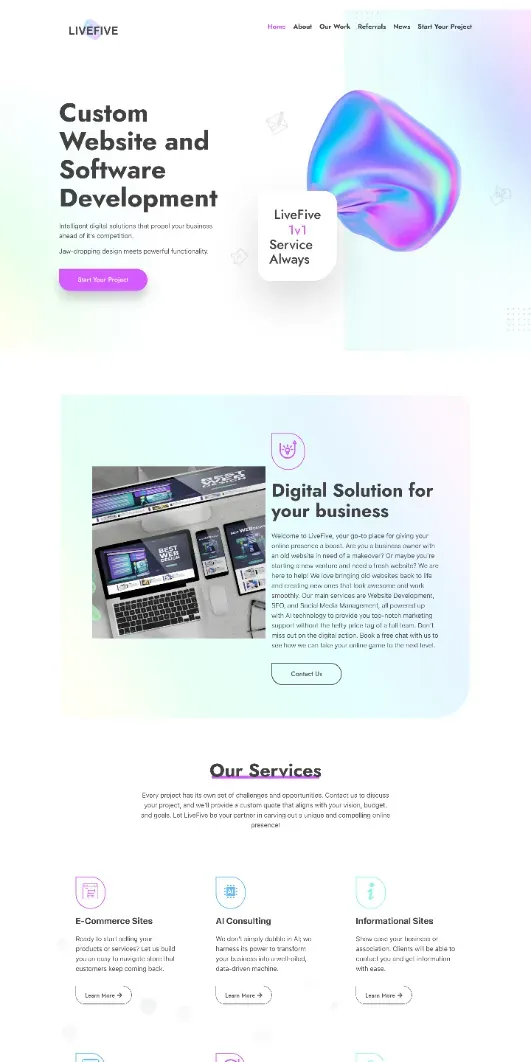
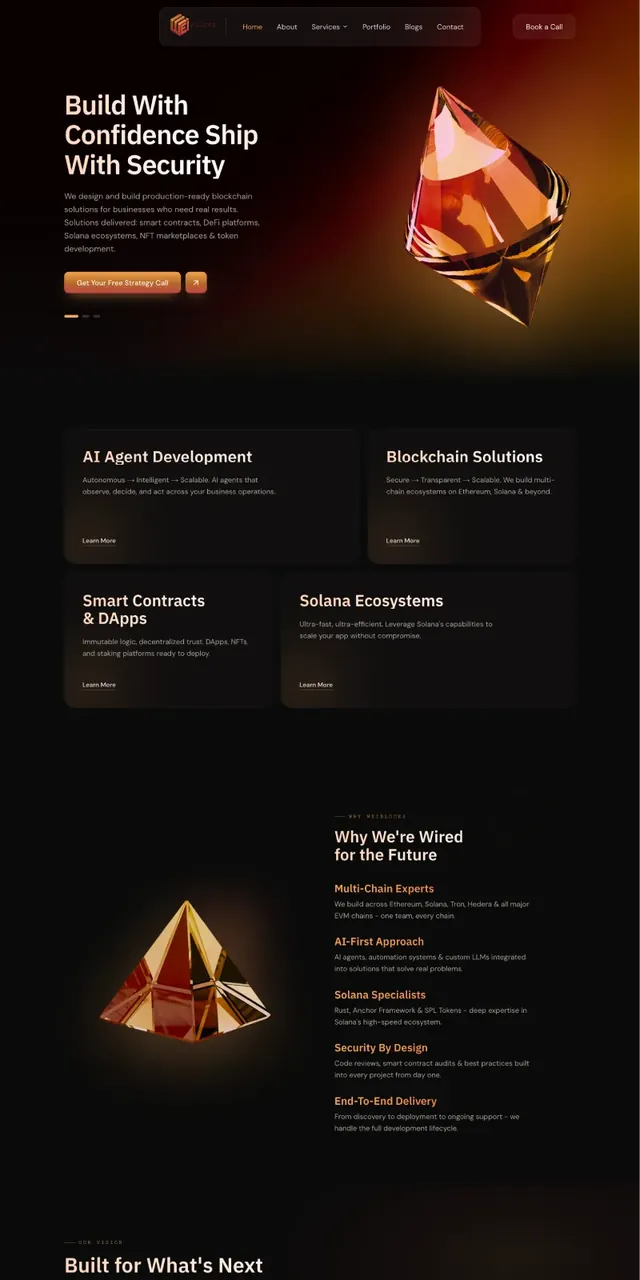
Kiindred parenting platform websiteLiveFive web and software development websiteAbsolute IT managed services websiteWEI Blocks blockchain development websiteKiindred parenting platform websiteLiveFive web and software development websiteAbsolute IT managed services websiteWEI Blocks blockchain development websiteKiindred parenting platform websiteLiveFive web and software development websiteAbsolute IT managed services websiteWEI Blocks blockchain development websiteKiindred parenting platform websiteLiveFive web and software development websiteAbsolute IT managed services websiteWEI Blocks blockchain development website
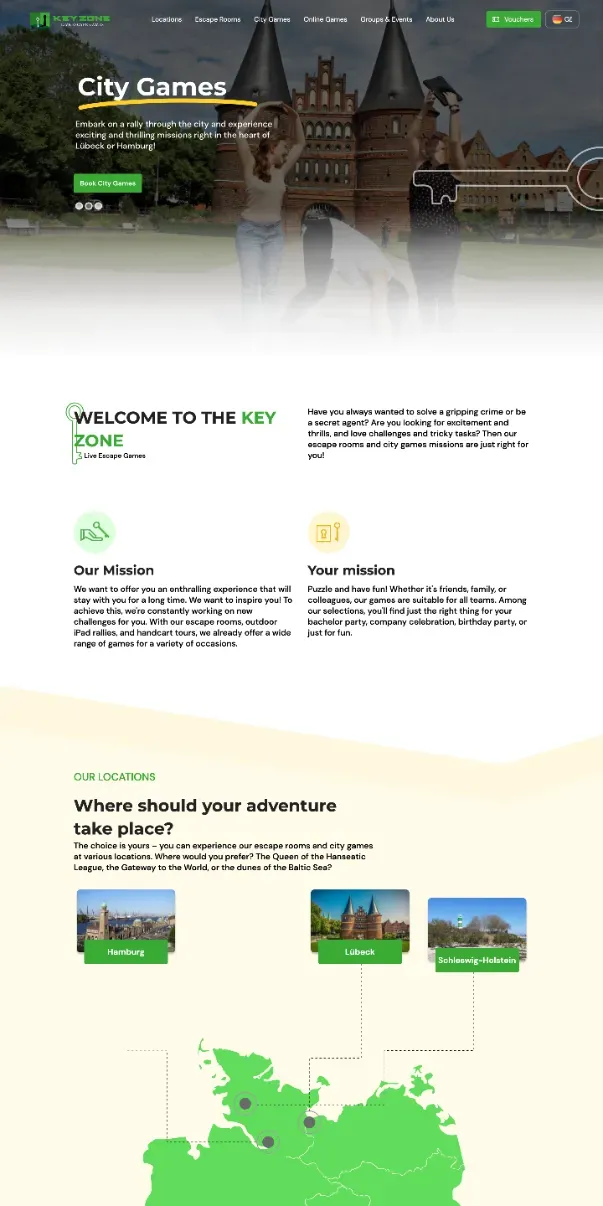
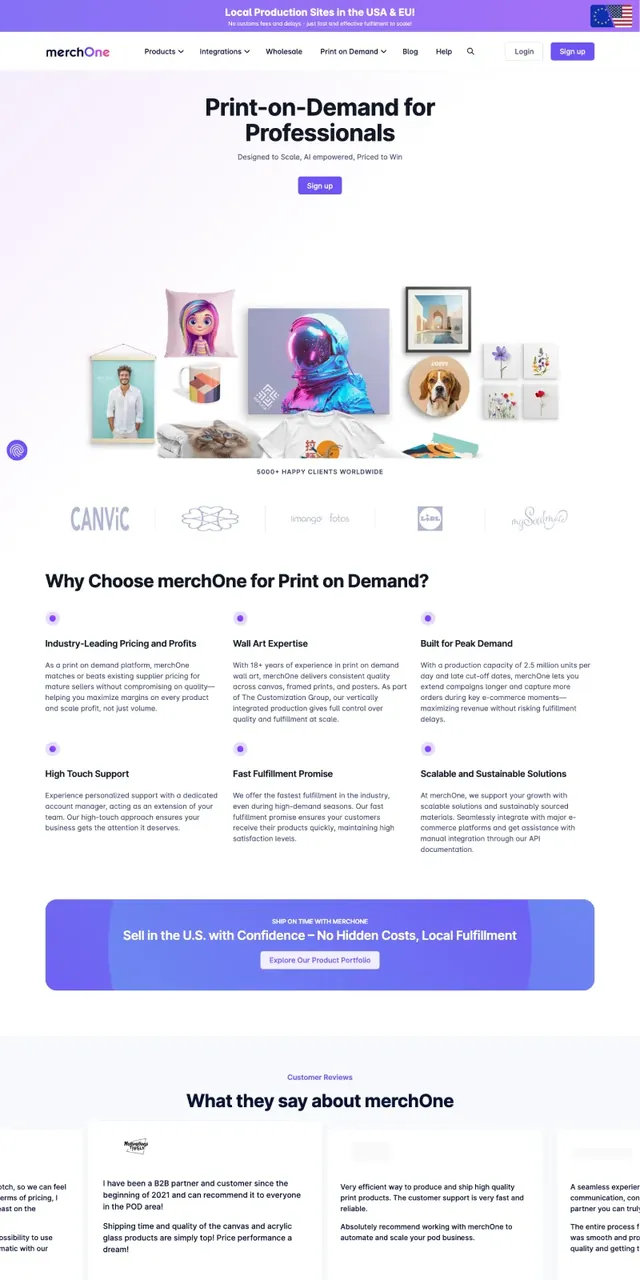
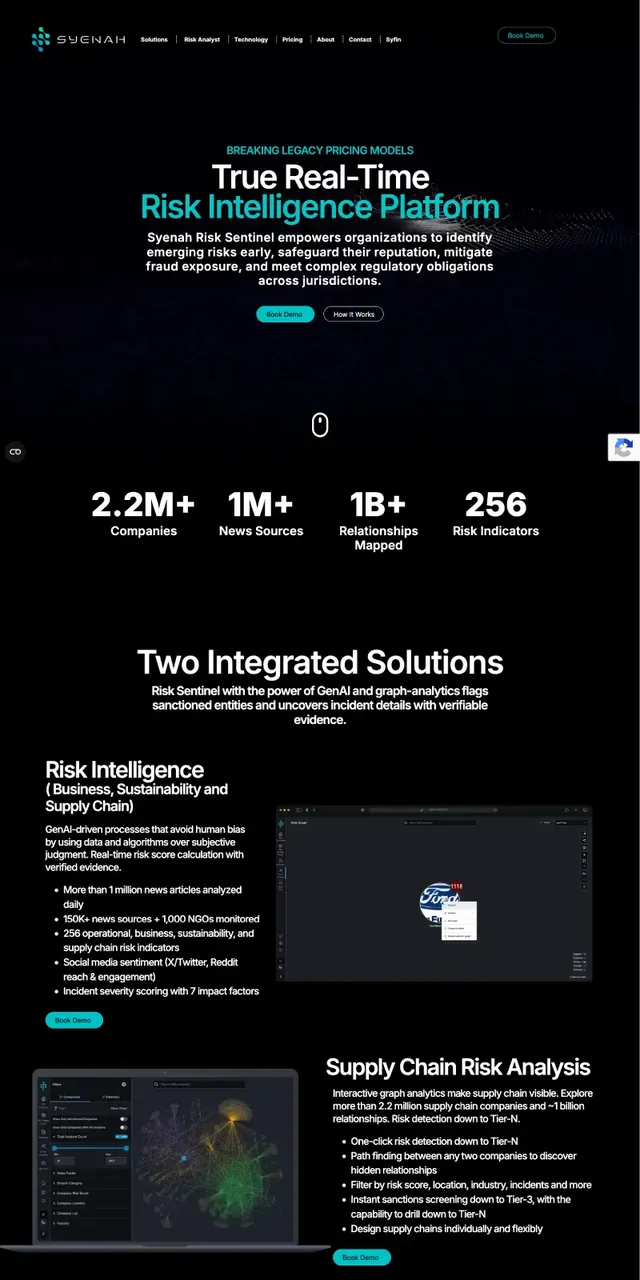
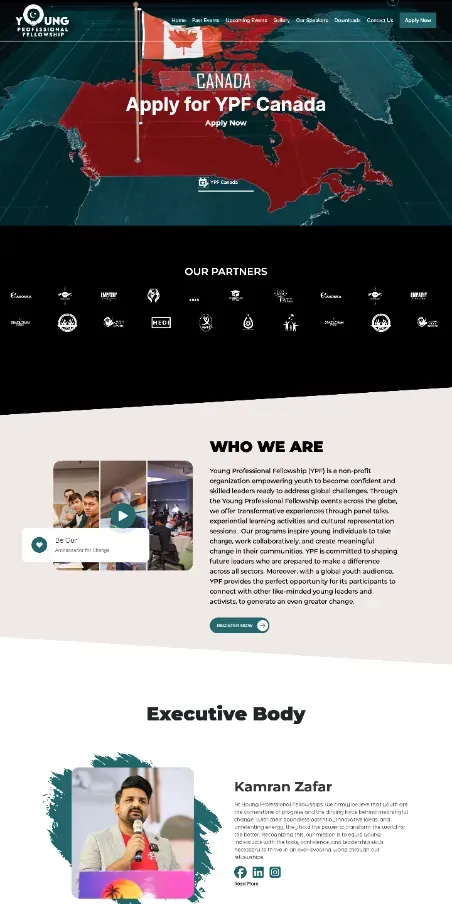
City Games travel websitemerchOne print-on-demand storefrontSyenah risk intelligence platformYoung Professionals Fellowship Canada websiteCity Games travel websitemerchOne print-on-demand storefrontSyenah risk intelligence platformYoung Professionals Fellowship Canada websiteCity Games travel websitemerchOne print-on-demand storefrontSyenah risk intelligence platformYoung Professionals Fellowship Canada websiteCity Games travel websitemerchOne print-on-demand storefrontSyenah risk intelligence platformYoung Professionals Fellowship Canada website
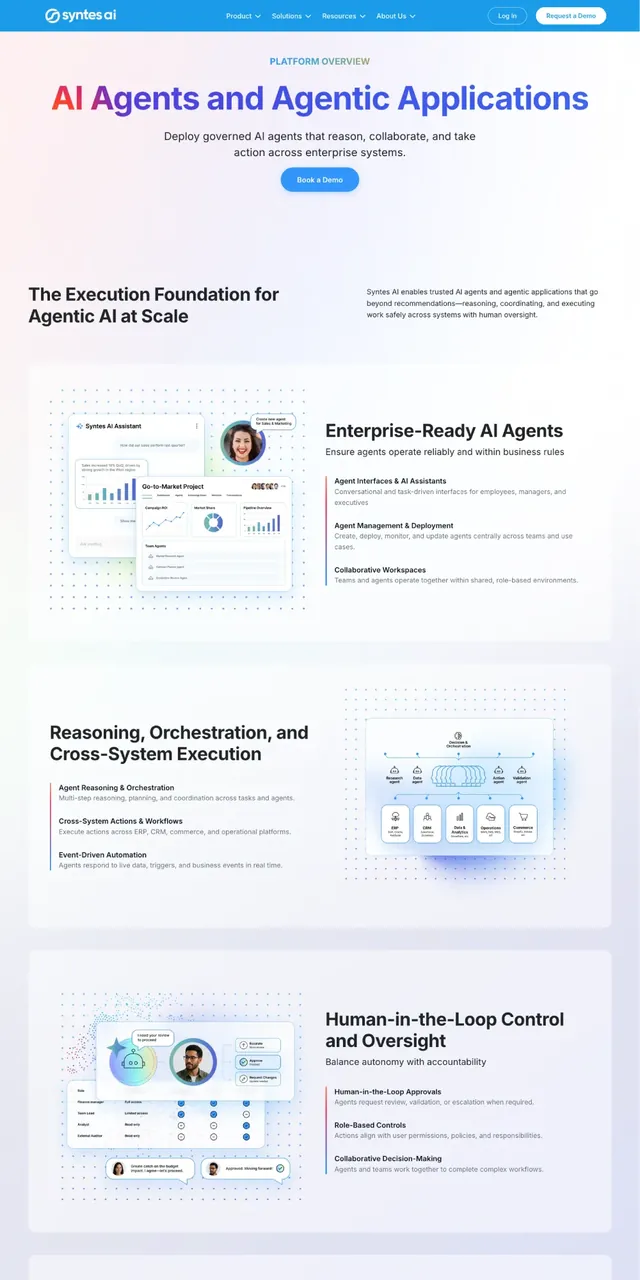
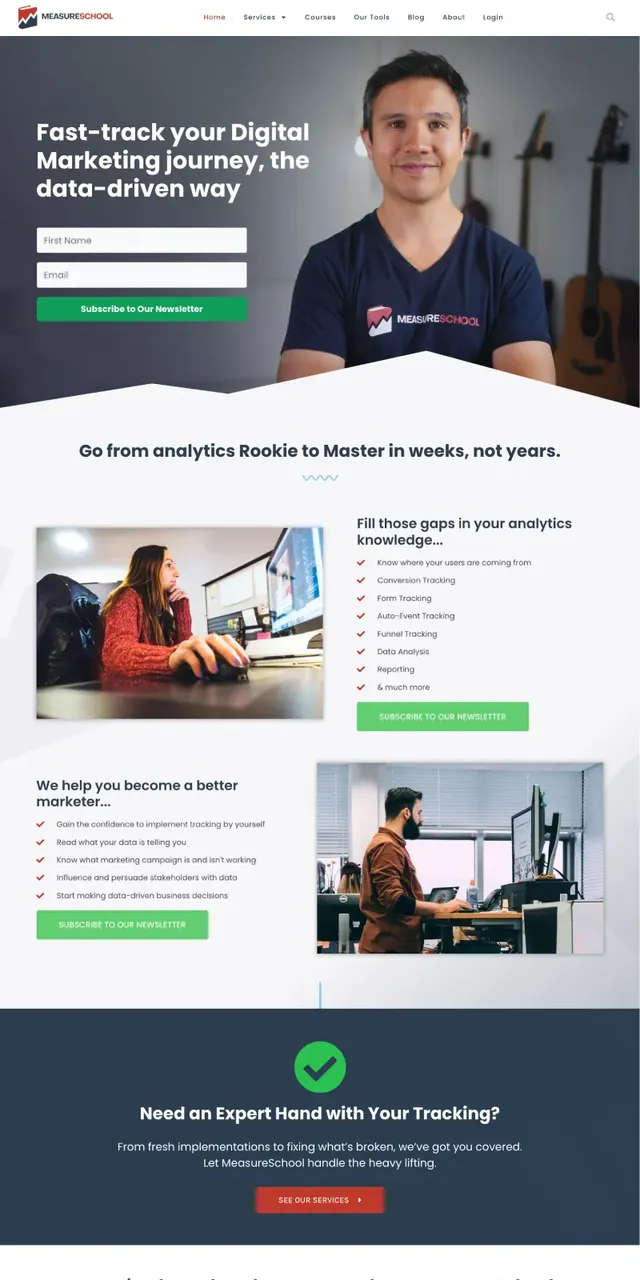
Syntes AI agentic applications platformMeasureSchool analytics training websitePersonal injury law firm websiteSyntes AI agentic applications platformMeasureSchool analytics training websitePersonal injury law firm websiteSyntes AI agentic applications platformMeasureSchool analytics training websitePersonal injury law firm websiteSyntes AI agentic applications platformMeasureSchool analytics training websitePersonal injury law firm website
Deeco Studio
99.digital
merchOne Corporate
MeasureSchool
OctoberFirst Consulting
Neo Netwerk
Kiindred
Syntes AI
Influx Marketing Group
Global Peace Chain
LiveFive
Bula Bride
Tamika Carlton
WEI Blocks
Blue Symphony LLC
Meckatron
Global Business Symposium
CRM Experts Online
Syenah

When custom development is the right call, and when it is not

Custom is not automatically better. It is more expensive, takes longer and puts the maintenance burden on you rather than on a vendor's product team. It earns that when the alternative genuinely cannot do the job — and it is worth being honest about how often that is.

Custom is usually right when

  • The logic is the product, and pages are just how it is reached
  • Several systems have to stay in sync with real rules about conflicts
  • Performance is a commercial requirement, not a preference
  • Your data model does not resemble posts, pages or products
  • You are fighting a platform's assumptions on every feature
  • Compliance or access control has to be enforced, not configured

Custom is usually wrong when

  • The site mostly publishes content that people read
  • An existing platform does 90% of it and you would rebuild the 90%
  • Nobody will own the codebase after launch
  • The requirement is still changing shape week to week
  • The real problem is the current site's design, not its architecture
  • The budget only stretches to the build, not to keeping it alive

What We Build

Four shapes of work. Most projects are one of them with a piece of another attached.

View All Services

Custom Applications

  • Internal tools and admin systems
  • Customer portals and dashboards
  • Workflow and approval systems
  • Custom data models and reporting
  • Role-based access and permissions
Custom Applications

Headless & Modern Front Ends

Headless & Modern Front Ends

Integrations & APIs

Integrations & APIs

Platform & Performance Work

Platform & Performance Work

Our stack, and why we chose it

We default to React and Next.js on the front end, Node on the back, and PostgreSQL where a relational database fits — which is most of the time. This is a deliberately unexciting stack, and the reason is hiring and handover rather than technical superiority. You can find another team who knows it. Your own developers probably already do. The documentation and the answers to obscure problems already exist.

Next.js in particular buys things that are otherwise expensive to build: server rendering for content that needs to be indexable, static generation for pages that do not change per request, an image pipeline that is a genuine Core Web Vitals lever, and a routing model that does not need a separate front-end framework decision.

We deviate when the brief demands it — a different database for genuinely different data shapes, a different runtime where the hosting environment dictates it, WordPress where the requirement is really content management. What we avoid is anything where we would be the only people able to maintain it afterwards. A proprietary framework is a commercial decision dressed up as a technical one.

How AI-assisted development changes cost and timeline

Worth being specific here, because the claims made about this are usually unfalsifiable. Our engineers use AI tools — Claude, Cursor, GitHub Copilot — daily, in specific places: scaffolding boilerplate, writing tests against existing behaviour, refactoring across many files, reading unfamiliar codebases and API documentation, and producing first-draft documentation.

Those are the mechanical parts of building software, and compressing them is where the 48 to 72 hour turnaround on a standard build comes from. What does not compress is deciding what to build, choosing an architecture that will survive the second and third round of requirements, reviewing generated code that looks correct and is not, and being accountable when something breaks in production at an inconvenient hour.

We do not publish a productivity percentage, because we have not measured one we would be willing to defend and the numbers circulating in this market are marketing rather than data. What we will say is that the saving shows up most on well-understood work and least on genuinely novel problems — which is the opposite of how it is usually sold.

The build process, phase by phase

  • Technical discovery — what the system must do, what it must integrate with, and what is actually fixed versus assumed
  • Architecture and scope — data model, integration points and the decisions worth making before code exists, with the risks written down
  • Build on staging — implementation in reviewable pieces, with AI assistance on the mechanical work and human review on all of it
  • Testing and QA — cross-browser and device, the failure paths deliberately exercised, performance and accessibility measured rather than assumed
  • Launch — redirects mapped where anything is being replaced, monitoring attached before traffic arrives, rollback path confirmed
  • Handover and support — documentation written for someone who was not in the build, then ongoing maintenance if you want it

What custom web development costs, and what drives the number

We do not publish rates. That is a considered position rather than evasiveness: the range across projects that all describe themselves as custom web development is wide enough that any figure printed here would be wrong for most readers, and quoting a low one to win the click and revising it on the call is a worse experience than saying this.

What we can do is tell you exactly what moves the number, so you can estimate the shape of your own project before speaking to anyone.

  • Bespoke interface versus design system reuse — how much is drawn once and how much repeats
  • Depth of custom logic — rules, calculations, workflows and states behind the screens
  • Number and quality of integrations — a well-documented API with a sandbox is a fraction of the work of an undocumented one
  • Data migration — volume, structure, and how much of it needs cleaning on the way
  • Access control and compliance — roles, audit trails and anything that must be provably enforced
  • Ongoing support — whether we maintain it or your team takes it over at handover

We quote a fixed figure against a scoped brief rather than working open-ended time and materials, so the commercial risk of an estimate being wrong sits with us rather than with you. Where a requirement is genuinely undefined, we scope a discovery phase separately instead of pretending to price something nobody has specified yet.

Performance, accessibility and security standards

These are build requirements rather than a final phase, because retrofitting any of the three costs several times what building them in does. Core Web Vitals are measured before handover, not asserted. Semantic markup, keyboard navigation, visible focus states and colour contrast are checked against WCAG 2.2 AA. Dependencies are audited for known vulnerabilities, secrets live in a secret store rather than a repository, and inputs are validated on the server regardless of what the client already checked.

None of this is remarkable. It is table stakes that a surprising amount of custom work still skips, usually because it was scoped as a set of screens rather than as a system somebody has to run.

How a Custom Build Runs

Discovery & Scope
Discovery & Scope icon

Discovery & Scope

Build & Review

Build & Review icon
Build & Review
Launch & Own It
Launch & Own It icon

Launch & Own It

Discovery & Scope

We establish what the system must do and what it must integrate with, then write down the architecture decisions and the risks before any code exists.

Build & Review

Implementation in reviewable pieces on staging, with AI assistance on the mechanical work and human review, testing and QA on everything before it ships.

Launch & Own It

Monitoring attached before traffic arrives, code and credentials handed over unconditionally, documentation written for whoever comes next.

Discovery & Scope

We establish what the system must do and what it must integrate with, then write down the architecture decisions and the risks before any code exists.

Build & Review

Implementation in reviewable pieces on staging, with AI assistance on the mechanical work and human review, testing and QA on everything before it ships.

Launch & Own It

Monitoring attached before traffic arrives, code and credentials handed over unconditionally, documentation written for whoever comes next.

The code is
yours the day we hand it over.

No proprietary framework only we can maintain, no licence that lapses if you leave, no credentials we keep hold of. The test we build to is whether another team could pick the project up next week and be productive — which is also the test of whether the documentation is real.


Left card
Center card
Right card

Building for your clients

Roughly half of this work arrives through marketing agencies selling technical projects they cannot always staff. It runs entirely under your brand, with the same standards as our direct work.

White label web development for agencies

NDA as standard, no contact with your client, your naming throughout. You sell and own the relationship; we build and stay invisible. Fixed quote before you price it to your client.

White label web development for agencies

Post-launch maintenance and support

The retainer that follows the build, available under your brand — monitoring, dependency upgrades, integration health and an allowance for ongoing development work.

Post-launch maintenance and support
Portfolio image 1Portfolio image 2Portfolio image 3Portfolio image 4Portfolio image 1Portfolio image 2Portfolio image 3Portfolio image 4
Portfolio image 1Portfolio image 2Portfolio image 3Portfolio image 1Portfolio image 2Portfolio image 3

What Clients Say About the Delivery

People talking

Yusuf is amazing to work with! So positive and polite and delivers work at lightening speed! Highly recommend him!

Albion Data Analytics

Professional worker. Great attitude and got everything done in the timeframe he promised. Brought our website Semrush statues from a mid 70's to a 97%. Was always available to answer any questions we had. Will definitely hire him again for any projects going forward

EcoPod Systems Inc.

Muhammad went above and beyond to get the job done. Highly recommend working with him.

Bulla Bride.

Highly skilled, and provides great quality work. Communication and Cooperation is fantastic!

Do It Right Cleaning

Can it get any better than this? I was travelling and not able to send all the details for Muhammad, but he did amazing work and can I see he has years of experiences and is very profesional. In fact, I just hired him again. Highly recommended

99 Digital Prime

Really great work in web design and web development. I can highly recommend him. Good communication and quick responses.

Andreas Maurer, Neo Netwerk

Muhammad quickly found the root of the problem and fixed it. He needed no hand holding, he just jumped right in a fixed it which was exactly what I needed.

Influx Marketing Group

Muhammad is a very experienced Wordpress Developer, I really like working with him!

EW-Verlag UG

Muhammad did an excellent job on our website and followed the brief. He is a good communicator and didn't hesitate to ask any questions about aspects of the design and layout. We would highly recommend him.

OctoberFirst Consulting Pty ltd

great to work with and solved our problems. Recommended!

R2D2 Ltd.

Muhammad communicates well and has solid development expertise. He is fair in how he operates and will not charge for payment if the intended outcome is not possible despite spending the time researching the solution

Liz Ramsey, Syntes.ai

Super helpful and really creative with implementing landing page design for an online course. I'm grateful for his support and effort in being accessible for updates and changes. Looking forward to working with him again!

Tamika Carlton

Muhammad went above and beyond to get the job done. Highly recommend working with him.

Deeco Studio

Custom Development FAQs

The number is driven by a small set of things that are easy to identify and impossible to average: how much of the interface is bespoke, how much of the logic behind it is genuinely custom, how many external systems it has to talk to, whether data is being migrated, and whether it needs to be supported afterwards. Those factors move a quote by multiples, not percentages, which is why a published rate would mislead most of the people reading it. We scope against your brief and give you a fixed figure before work starts. If a template or an off-the-shelf platform would do the job for less, we will tell you that during scoping rather than after you have paid for custom.

Ask what the site is mostly doing. If it is publishing content that people read, WordPress is usually the correct and cheaper answer, and a custom build is an expensive way to reinvent an editing experience your team already knows. If the site is mostly doing something — processing, calculating, syncing, gating access, running a workflow that does not resemble pages and posts — then custom is where you end up, and starting on WordPress just delays it. The middle ground is real: a content site with one unusual requirement is often best served by WordPress plus a small amount of custom code rather than by rebuilding everything.

You do, on delivery, without conditions attached. The repository is yours, the credentials are yours, and there is no licence that stops another developer working on it or that expires if you stop working with us. We do not build on proprietary frameworks that only we can maintain, because that is a commercial lock rather than a technical decision. The practical test is whether you could hand the project to another team tomorrow and have them productive within a week — the documentation is written to make that true.

A standard four to five page build typically turns around in 48 to 72 hours once designs and content are with us, and that figure is delivery time on a complete brief rather than time from first conversation. Genuinely custom applications are a different scale — measured in weeks, driven mainly by how many external systems are involved and how much of the requirement is still being decided while we build. After scoping we give you a specific date rather than a range, and you hear about a risk to that date before it becomes a missed one.

Yes. We start by reading it and telling you what we find, including anything uncomfortable: undocumented behaviour, dependencies that are no longer maintained, tests that do not exist. Then we work to the conventions already there rather than imposing our own, because a codebase written in two competing styles is worse than one written in a style we would not have picked. Where something genuinely needs replacing we will make the case with the reasoning, and accept a no.

Yes, and for anything with integrations we would strongly recommend it. Custom applications do not sit still: dependencies need upgrading, third-party APIs change on their own schedule, and traffic patterns shift. Support runs as a monthly arrangement covering monitoring, updates and an allowance for ongoing development. It is optional — everything is documented so your own team can take it on — but the projects that quietly decay are the ones nobody owns after launch.

Tell us what the build actually has to do.